

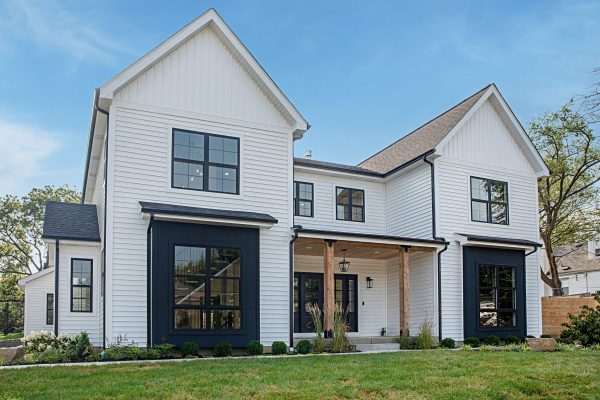
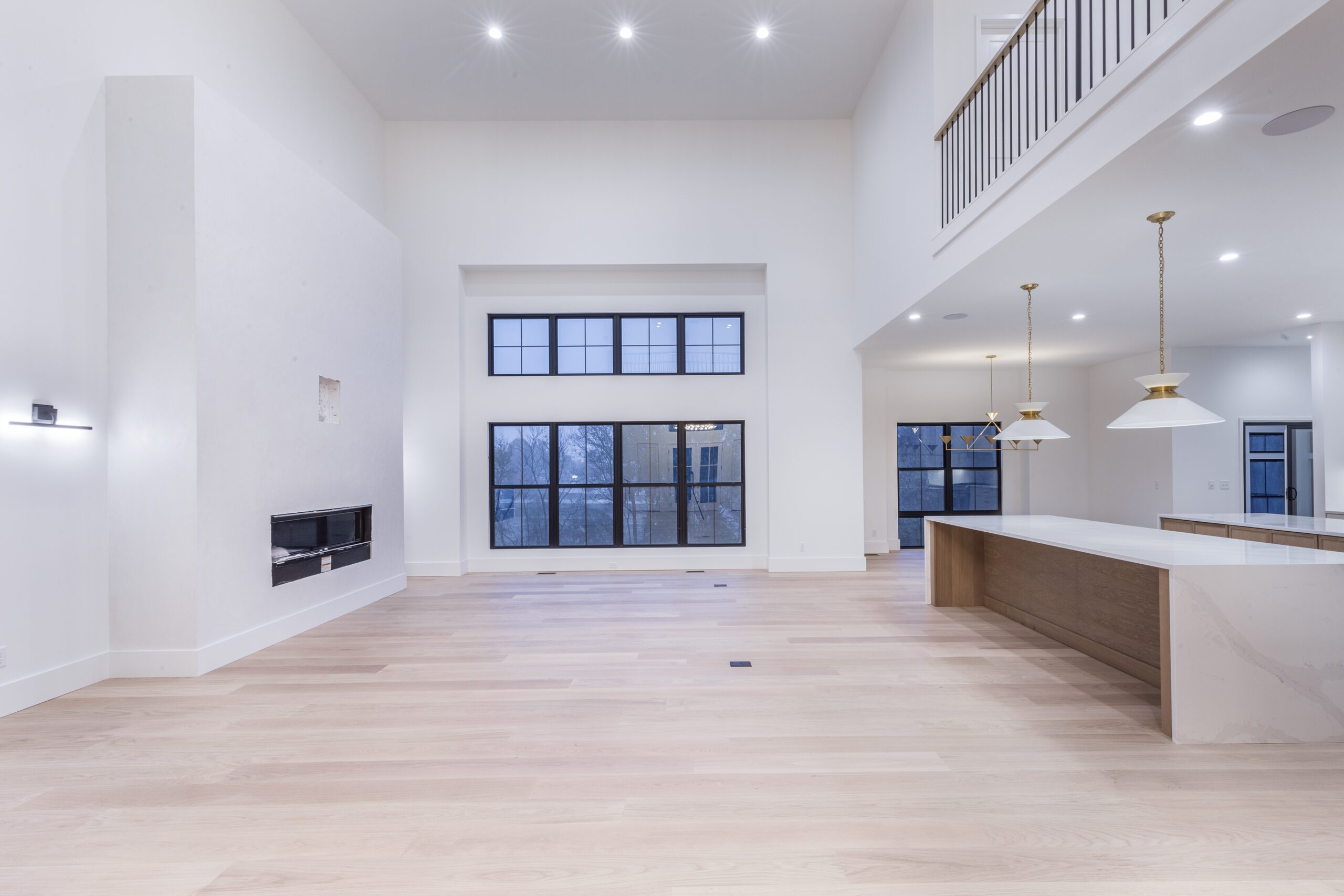
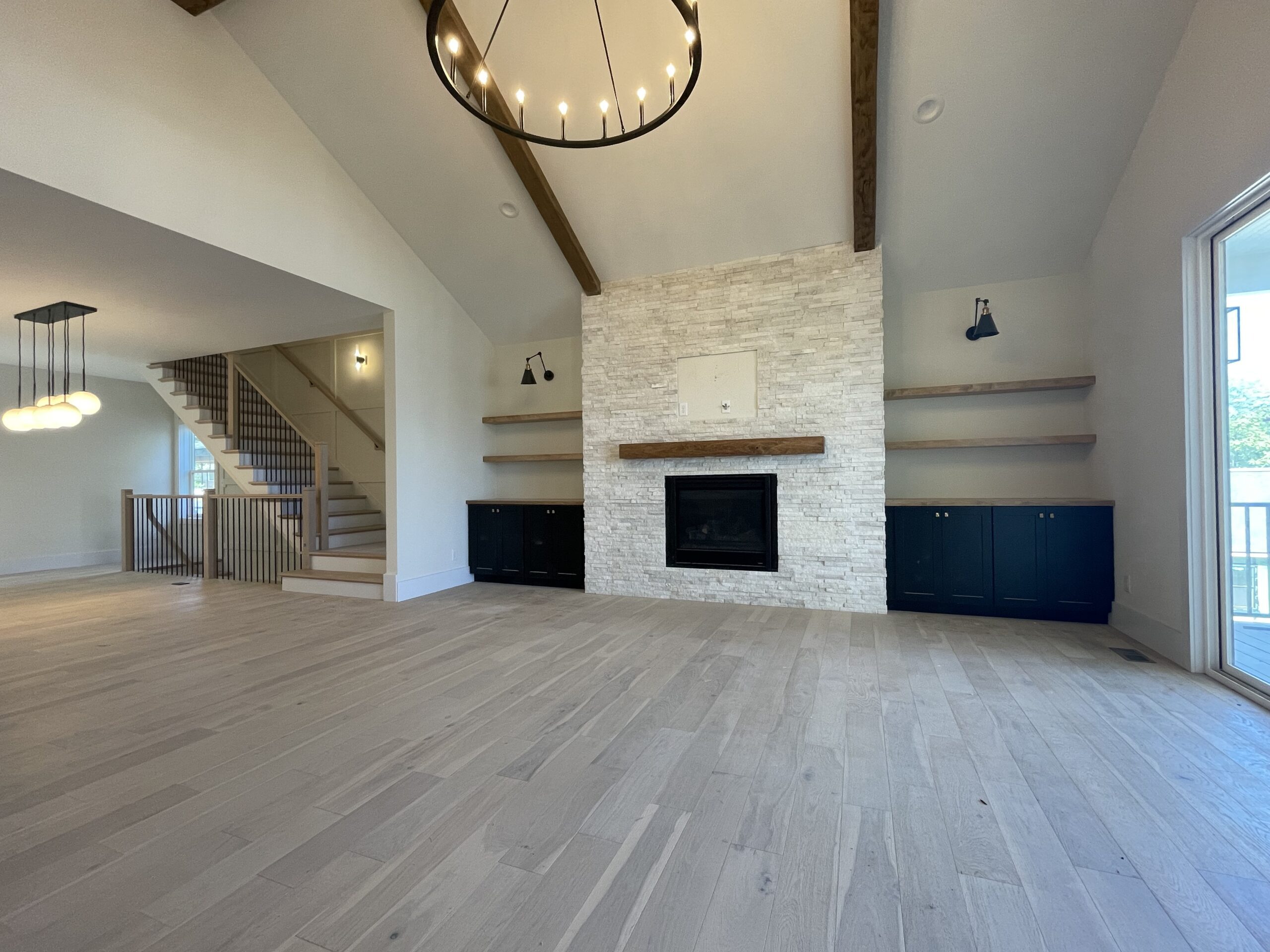

Introduction
You love your lot. You love your neighborhood. But every time you walk through that front door in Ladue, Clayton, or Kirkwood, something feels off. The layout fights the way your family lives. The systems struggle to keep up. And the thought of starting over or ripping everything apart keeps you stuck in the same loop of indecision.
You are not alone. Across St. Louis, homeowners sitting on prime real estate face the same tear down vs renovation cost question, and most of them stall for months because nobody gives them a straight framework for deciding.
This guide breaks down the real factors that determine whether a custom home demolition and rebuild or a large scale renovation makes more sense for your specific property. No fluff. Just a clear, practical decision-making framework you can use right now to get your desired outcome
Why So Many St. Louis Homeowners Feel Stuck
The external problem is straightforward: your house no longer functions the way you need it to. Maybe the kitchen dates back to 1972. Maybe the master suite sits on the opposite side of the house from the kids’ rooms. Maybe the foundation shows signs of settling and the mechanicals need full replacement.
But the real pain runs deeper. You feel paralyzed. You have the financial capacity for either path, but you cannot get a clear read on which option delivers better long-term value. Every conversation with a contractor, architect, or neighbor gives you a different answer.
Here is why that matters: you should not have to gamble with one of the largest financial and lifestyle decisions of your life. You deserve a framework built on data, site-specific analysis, and honest expertise not guesswork.
The Teardown Trend Is Growing Nationwide and in St. Louis
Before diving into the decision framework, consider the bigger picture. According to the National Association of Home Builders (NAHB), 6.9% of all new single-family detached homes built in 2024 were teardown and rebuild projects in older neighborhoods. Another 20.1% went up on infill lots in those same established areas (NAHB Builder Practices Survey, 2024).
NAHB Chief Economist Robert Dietz has stated that the long-run growth of residential construction will increasingly come from teardown construction and rehabilitation of existing stock, not from new subdivision development.
This tracks with what happens on teardown lots in Ladue, Clayton, and other high-value St. Louis neighborhoods. The land holds enormous value. The existing structure often does not. And homeowners who want to stay in their neighborhood face a binary choice: renovate what you have, or start from the ground up.
Five Factors That Determine Whether You Should Tear Down or Renovate
Every tear down vs renovation cost decision in St. Louis hinges on these five factors. Evaluate each one honestly, and the right path becomes significantly clearer.
1. Structural Integrity and Foundation Condition
Start here, because everything else builds on this. If your foundation shows significant cracking, settling, or water intrusion, a whole-home renovation becomes exponentially more complex. You can renovate kitchens and bathrooms all day long, but you cannot efficiently renovate around a failing structural envelope.
In many aging St. Louis homes, especially those built before 1970 this single factor tips the scale toward St. Louis custom home demolition and a clean rebuild.
2. Zoning, Setback, and Lot Coverage Requirements
This is where most homeowners get blindsided. Every municipality in St. Louis County enforces its own zoning ordinance, and the rules vary significantly between communities.
Key zoning factors to evaluate include:
- Maximum lot coverage percentage how much of your lot the structure can occupy
- Setback requirements minimum distances from front, rear, and side property lines
- Height restrictions maximum building height allowed in your district
- Architectural Review Board (ARB) requirements Ladue, for example, requires ARB approval for exterior changes and new construction per Zoning Ordinance #1175
- Demolition permit requirements some municipalities require separate review processes
A critical insight: a renovation that expands the footprint may face the same zoning scrutiny as a full teardown. If your current home already sits close to setback limits, adding square footage through renovation becomes severely restricted. In that scenario, a teardown lets you design a new home that maximizes the buildable envelope from scratch through a thoughtful architectural design process.
3. Scope of Renovation vs. New Build Efficiency
This factor often surprises people. When a whole home remodeling project reaches a certain scope gutting and replacing all mechanicals, reconfiguring the floor plan, replacing the roof, upgrading insulation, and renovating every room the total investment can approach or exceed the cost of demolition plus new construction.
The Harvard Joint Center for Housing Studies reports that the U.S. housing stock hit a median age of 44 years in 2023, the oldest ever recorded. Homes built before 1980 required 24% more improvement spending than homes built after 2010, and 76% more maintenance spending (Improving America’s Housing 2025, Harvard JCHS).
For St. Louis homeowners, this means your 1960s ranch or 1970s colonial likely carries a backlog of deferred maintenance that compounds renovation costs. When the renovation scope exceeds roughly 60-75% of the home’s structural and mechanical systems, experienced builders often find that a teardown delivers better value per square foot and a more predictable timeline.
4. Long-Term Home Value and Whole Home Remodeling ROI
Whole home remodeling ROI depends heavily on the relationship between your land value and your improvement value. In premium St. Louis neighborhoods, land values make up a significant portion of total property value. When land dominates the value equation, a teardown and custom rebuild typically generates stronger long-term returns.
A large scale renovation vs new build comparison should include these ROI considerations:
- Energy efficiency gains new construction meets current energy codes, dramatically reducing operating costs
- Insurance advantages new builds often qualify for lower premiums than renovated older homes
- Warranty coverage new construction carries builder warranties that renovations cannot match
- Market appeal buyers in premium neighborhoods increasingly prefer new construction with modern floor plans
A well-executed whole-home renovation can also deliver strong returns especially when the existing structure has good bones and the layout works. The key is running the numbers honestly, not emotionally.
5. Timeline and Livability During Construction
A full teardown and rebuild follows a linear, predictable construction sequence: demolish, excavate, build. A whole-home renovation involves phased construction, unexpected discoveries behind walls, and a longer overall timeline due to working within an existing structure.
If you plan to live in the home during a renovation, the disruption extends further. Dust, noise, temporary kitchen setups, and limited bathroom access affect your quality of life for months. A teardown removes this variable entirely. You plan your temporary housing, the builder executes a clean build sequence, and you move into a finished home.
Common Mistakes That Lead to the Wrong Decision
Avoid these failure paths.
Mistake #1: Making the decision based on emotion alone. Nostalgia for your 1950s colonial clouds your judgment about what the structure actually needs. Attachment makes an expensive advisor.
Mistake #2: Getting partial bids instead of full-scope estimates. A kitchen quote and a bathroom quote and a foundation repair quote do not equal a whole-home renovation estimate. Piecemeal bids miss the compounding inefficiencies of a phased approach.
Mistake #3: Ignoring zoning before committing to a plan. You design your dream renovation, present it to the city, and discover that setback requirements kill half your plans. Always start with a zoning review not a Pinterest board.
Mistake #4: Comparing only upfront cost. The cheapest path on day one often becomes the most expensive path over ten years. Factor in ongoing maintenance, energy costs, insurance, and resale value when comparing a large scale renovation vs new build.
Mistake #5: Choosing a builder who only does one or the other. You need a design-build firm that handles both and gives you honest counsel based on your specific property.
How to Make the Right Decision for Your Property
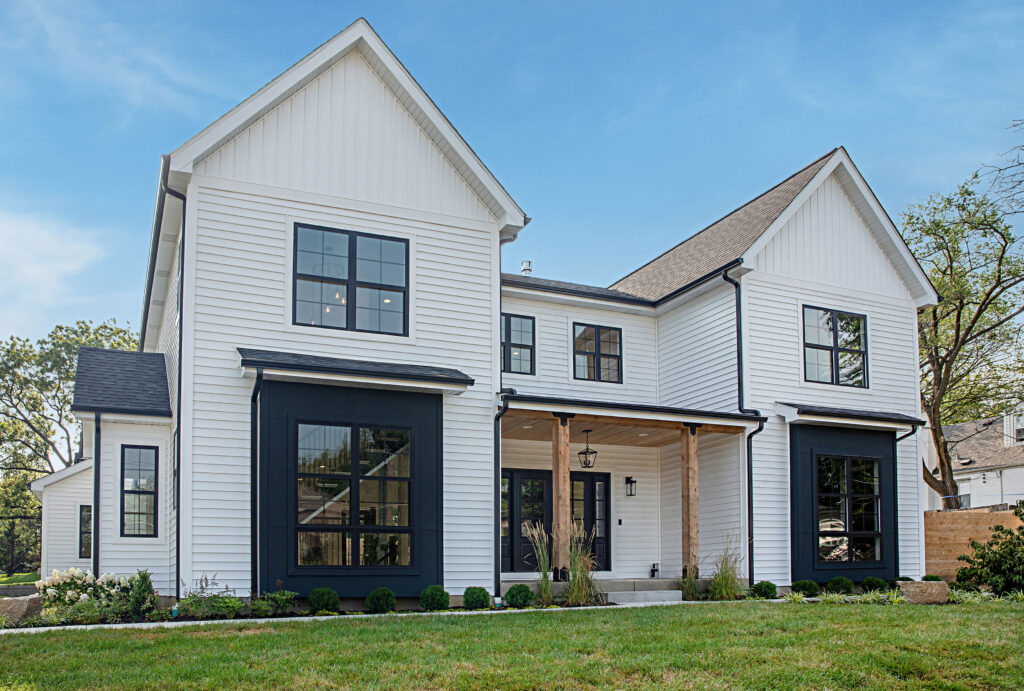
Follow these steps in order, and you will arrive at a clear, confident decision.
Step 1: Commission a structural assessment. Hire a licensed structural engineer to evaluate the foundation, framing, and load-bearing elements.
Step 2: Conduct a zoning and lot analysis. Pull zoning regulations for your specific municipality. Identify setbacks, lot coverage limits, height restrictions, and any ARB requirements.
Step 3: Define your full scope of needs. Write down everything you want for the finished home to include square footage, room count, layout preferences, systems upgrades, energy goals.
Step 4: Get a comprehensive feasibility analysis. Bring your structural report, zoning data, and scope list to a design-build firm that handles both custom homes and large scale renovations. Ask them to evaluate both paths side by side.
Step 5: Decide based on total value not just total cost. Weigh upfront investment, long-term ROI, construction timeline, livability, and the final quality of the finished home.
Key Takeaways:
- The tear down vs renovation cost decision in St. Louis depends on five factors: structural condition, zoning constraints, renovation scope, long-term ROI, and construction timeline.
- When renovation scope exceeds 60-75% of a home’s systems, a teardown often delivers better value and a more predictable build.
- Nationally, 6.9% of new single-family homes in 2024 went up as teardowns in older neighborhoods, and that trend accelerates in high-value areas (NAHB, 2024).
- The U.S. housing stock hit a median age of 44 years in 2023, driving significantly higher costs for older homes (Harvard JCHS, 2025).
- Always start with a structural assessment and zoning review before committing to either path.
Frequently Asked Questions
Is it cheaper to tear down and rebuild or renovate in St. Louis?
It depends entirely on the condition of your existing home and the scope of work. When renovations touch every major system foundation, mechanicals, roof, and layout total investment often approaches or exceeds a clean teardown and rebuild. A feasibility consultation that evaluates both paths gives you the clearest comparison.
What zoning rules affect teardowns in Ladue and Clayton?
Both municipalities enforce setback requirements, maximum lot coverage percentages, and height restrictions. Ladue also requires Architectural Review Board approval for new construction and significant exterior modifications under Zoning Ordinance #1175. Always verify current zoning before committing to a plan.
How long does a whole-home renovation take compared to a new build?
Whole-home renovations in St. Louis typically take longer than a comparable new build because of the complexity of working within an existing structure. Unexpected conditions behind walls and phased construction sequences add time. A new build follows a cleaner, more predictable timeline.
Can I live in my home during a large-scale renovation?
Depending on the scope and phasing plan, yes. But the reality involves months of dust, noise, limited kitchen and bathroom access, and significant daily disruption. Discuss livability options with your builder during planning so you can make an informed choice.
How do I know if my St. Louis home is a good candidate for a teardown?
Strong teardown candidates share a few characteristics: the land value significantly exceeds the improvement value, the foundation shows serious deterioration, the floor plan cannot accommodate your needs even with major renovation, and the zoning allows you to build a home that fits your goals. A design-build team experienced in both paths can give you an objective recommendation.
Schedule a Feasibility Consultation
You have the framework. Now you need site-specific analysis.
FM Design Build helps homeowners in Ladue, Clayton, Kirkwood, and across the St. Louis metro area make this exact decision with confidence. With over 60 years of experience in both custom home construction and large scale renovations, the team evaluates your property, zoning, and goals then gives you an honest, data-driven recommendation.
Schedule a Feasibility Consultation to get clarity on the right path for your specific lot and lifestyle. Stop guessing. Start building the right plan.
About the Author
FM Design Build has served St. Louis families for over 60 years, delivering custom homes, architectural design, and large-scale renovations across Ladue, Clayton, Kirkwood, and the greater metro area. As a full-service design-build firm, FM Design Build handles architecture and construction under one roof ensuring plans, budgets, and schedules stay aligned from day one. Learn more at fmdbstl.com or schedule a consultation to discuss your project.