

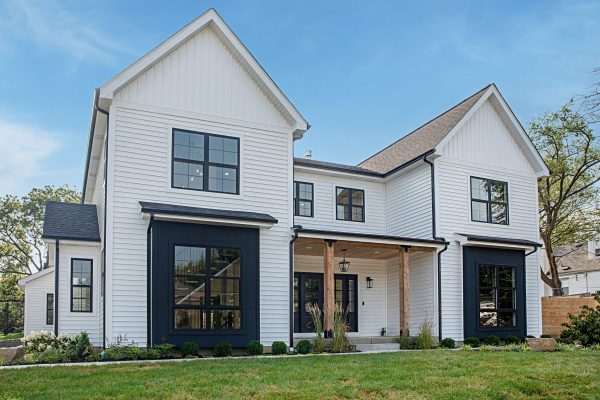
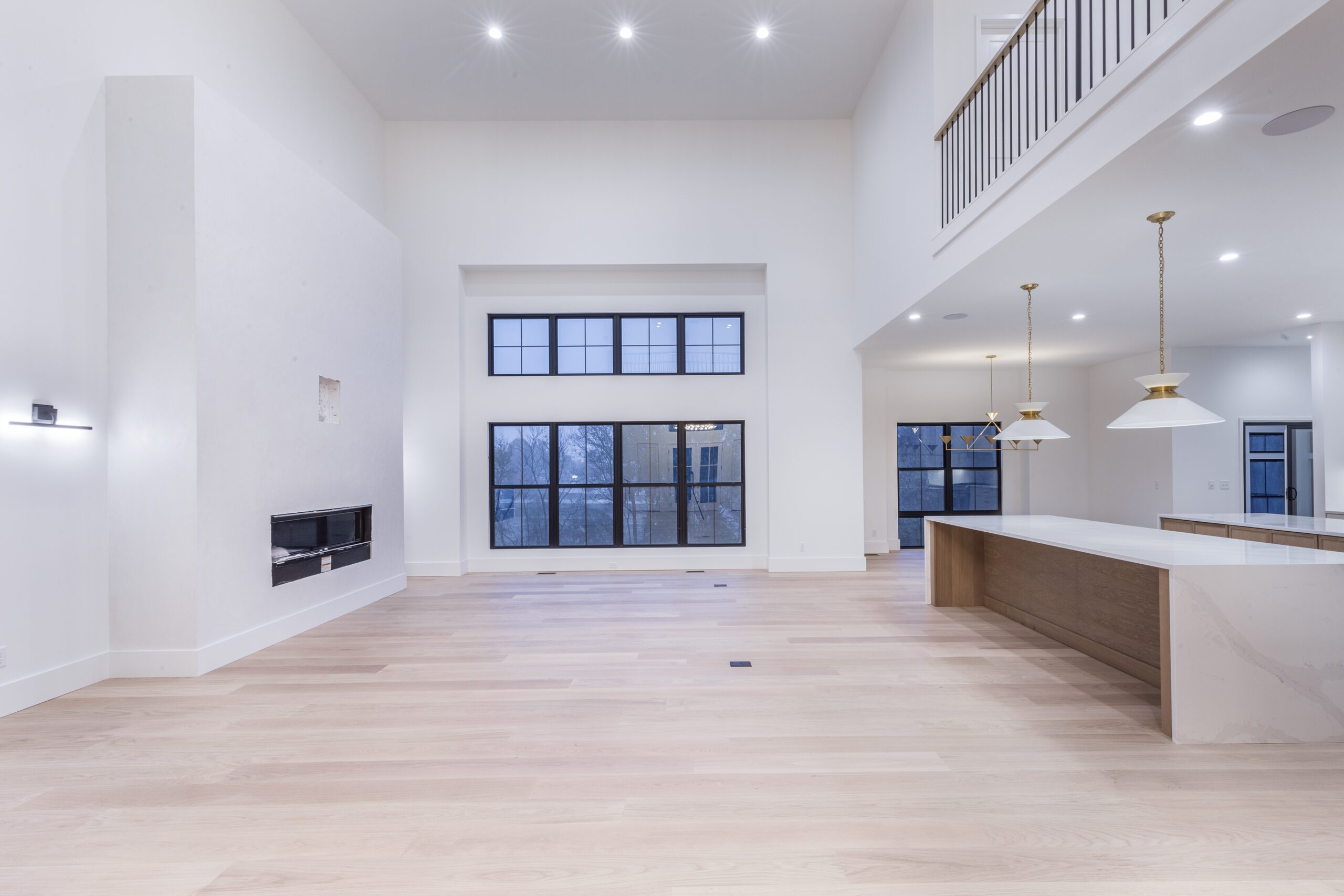
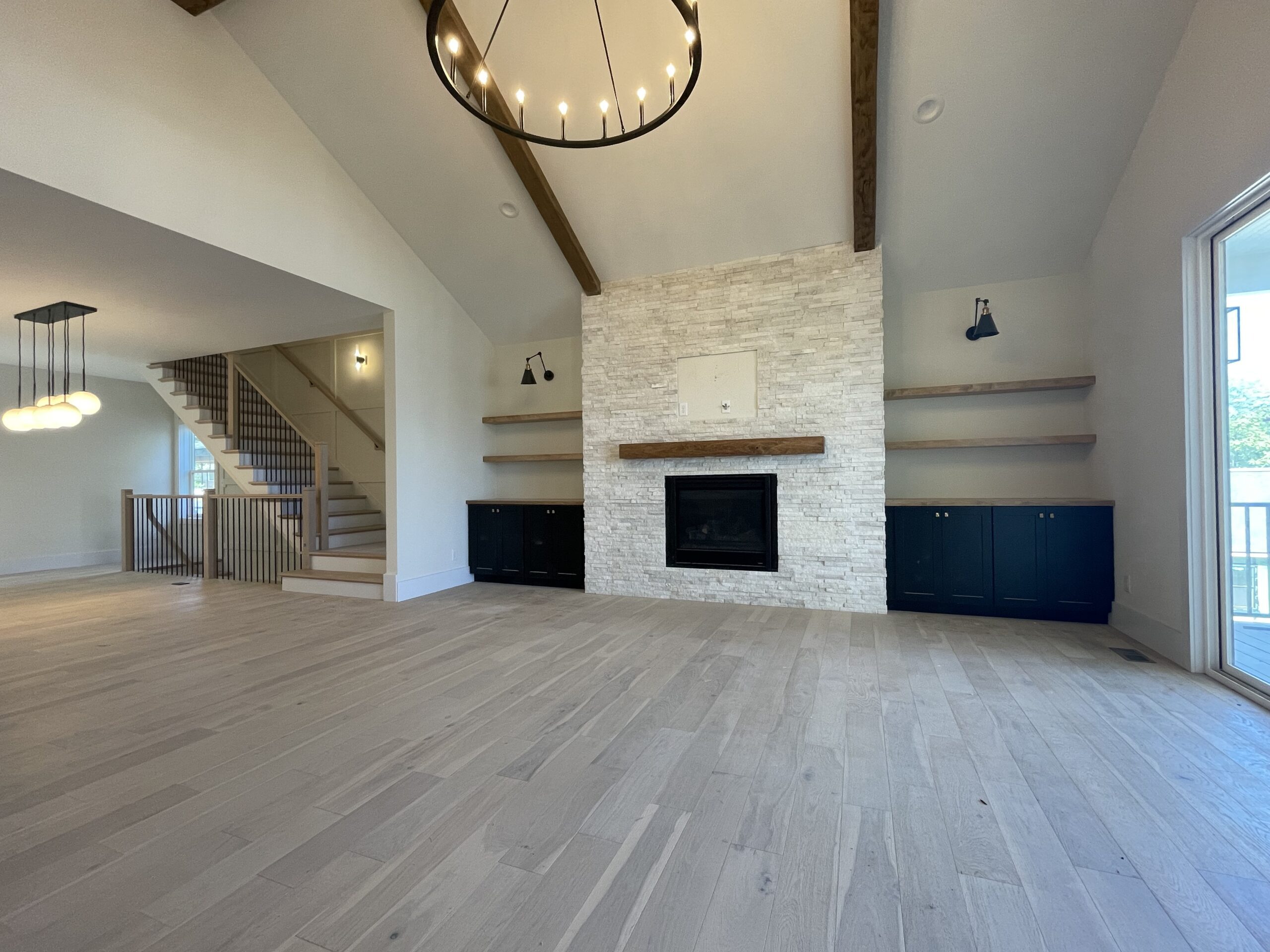

June arrives in st. Louis with long days, eager contractors, and homeowners ready to break ground. But does every custom home project benefit from a summer kickoff? The short answer: it depends on scope, site conditions, and how St. Louis humidity and summer storms align with your timeline. custom homes st. Louis families plan carefully often launch foundation and framing work in June, while interior finishes wait for climate-controlled conditions later in the year.
If you're wondering whether June is the right time to start your custom home or major renovation, this guide breaks down what thrives in warm weather, what suffers, and how permit processing speeds across St. Louis County, Clayton, and Ladue affect your project calendar.
Why June Is Peak Season for Custom Homes in St. Louis
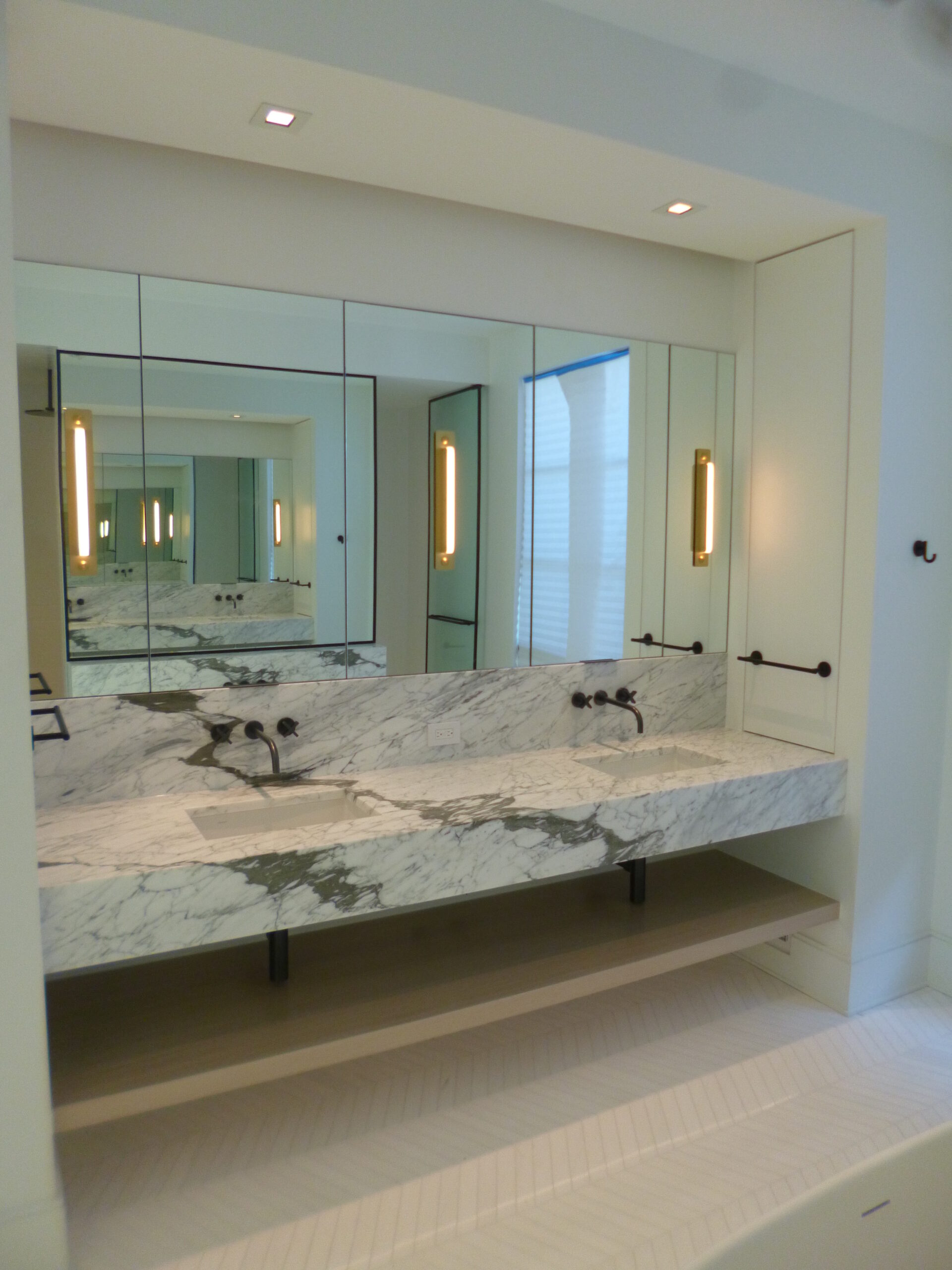
June through September represents the busiest stretch for residential construction across the St. Louis metro. Subcontractors are booked weeks out, material lead times tighten, and municipal inspectors run full schedules. Demand drives the calendar, but weather creates the opportunity.
Longer Daylight Hours
Summer daylight extends work windows. Crews can pour concrete at 6 a.m. and frame until 7 p.m. without artificial lighting. For large-scale projects like custom homes or whole-home additions, those extra hours compress timelines by days or even weeks.
Ground Conditions Favor Excavation
St. Louis clay soil, notorious for expanding when wet, becomes more stable and workable during dry summer stretches. Excavation for foundations, utility trenches, and grading proceeds faster when the ground isn't saturated from spring storms. June typically delivers lower rainfall than April or May, giving site crews cleaner conditions.
Subcontractor Availability Peaks
Foundation crews, framers, roofers, and exterior trades all prefer summer starts. Concrete cures predictably in warm weather. Framing lumber acclimates without the moisture swings of late fall. Exterior envelope work (siding, windows, roofing) closes in a structure before winter, protecting interior phases from the elements.
But June isn't a universal green light. Some projects suffer when launched in high heat and humidity, and others face permitting bottlenecks that erase any weather advantage.
What Thrives When You Start in June: Ideal Summer Projects
Certain construction phases align beautifully with St. Louis summers. If your scope involves these elements, a June start makes strategic sense.
Foundation and Sitework
Concrete footings and slabs cure faster in warm weather, and St. Louis June temperatures (typically 75, 88°F) fall within the ideal range for proper hydration without rapid moisture loss. Excavation, grading, and utility installation all benefit from dry ground and long days.
We've poured dozens of foundations across Ladue, Clayton, and Kirkwood during June with minimal weather delays. The key: schedule inspections early in the process so you're not waiting on the county when framers are ready to roll.
Framing and Structural Work
Framing a custom home in June means your structure is enclosed by August or early September, well before cold snaps arrive. Lumber remains dimensionally stable in low-humidity summer air (relative to spring), and crews work efficiently without layering up for cold.
For families building in residential Design heavy neighborhoods like Town and Country or Frontenac, summer framing also means less mud tracked across adjacent properties and easier material deliveries on dry streets.
Exterior Envelope: Roofing, Siding, Windows
Roofing shingles seal properly in warm weather. James Hardie siding installs cleanly without the thermal contraction issues that arise in winter. Andersen window installations benefit from stable temperatures that allow sealants and flashing to cure correctly.
If your goal is a weather-tight shell before October, starting exterior work in June positions you perfectly. We've seen projects launched in early June reach full envelope closure by Labor Day, protecting interior trades from rain and temperature swings through fall.
Outdoor Living Spaces and Hardscaping
Patios, outdoor kitchens, retaining walls, and landscaping all thrive on summer starts. Concrete and pavers cure predictably. Plantings establish root systems before winter dormancy. If your project includes significant site amenities, June gives you the full growing season to finish and enjoy the space before leaves fall.
What Suffers in June Heat: Projects to Postpone or Phase Carefully
Not every construction activity loves St. Louis summers. High humidity, afternoon thunderstorms, and heat stress on materials and crews create risks worth avoiding.
Interior Finishes in Non-Conditioned Spaces
Drywall, paint, hardwood flooring, and cabinetry all demand climate control. St. Louis summer humidity regularly pushes 70, 90%, and an un-conditioned interior during July or August creates warping, slow cure times, and finish defects.
If you're planning a large scale renovations project that involves living in the home during construction, avoid scheduling interior finishes until HVAC is operational and the structure is fully enclosed. We typically sequence projects so drywall and trim happen in fall, after the envelope is sealed and climate control is live.
Exterior Painting and Staining
Benjamin Moore and most quality paint manufacturers specify application temperatures below 90°F and humidity under 70%. St. Louis June afternoons regularly exceed both thresholds. Paint applied in high heat can blister, and stain penetration suffers when wood surface moisture is elevated.
We schedule exterior painting for late September or early October when temperatures moderate and humidity drops. The trade-off: slightly tighter timelines before cold weather, but far better finish quality and longevity.
Asphalt Driveways
Hot-mix asphalt requires cool ambient temperatures for proper compaction. June and July heat causes fresh asphalt to remain soft longer, increasing the risk of rutting, scuffing, and premature wear. Most experienced paving crews in St. Louis prefer late August through October for residential driveways.
Projects with Tight Permit Timelines
If your project requires zoning variances, architectural review board (ARB) approval in places like Ladue or Clayton, or complex engineering reviews, June starts can collide with summer municipal staffing. Planning departments often see vacation schedules that slow turnaround, and ARB meetings may skip July entirely.
We've covered permitting nuances in detail in our Architectural Design guide, but the short version: if your project needs more than a standard building permit, submit in April or May to avoid summer slowdowns.
St. Louis County Permit Processing: What to Expect in June 2026
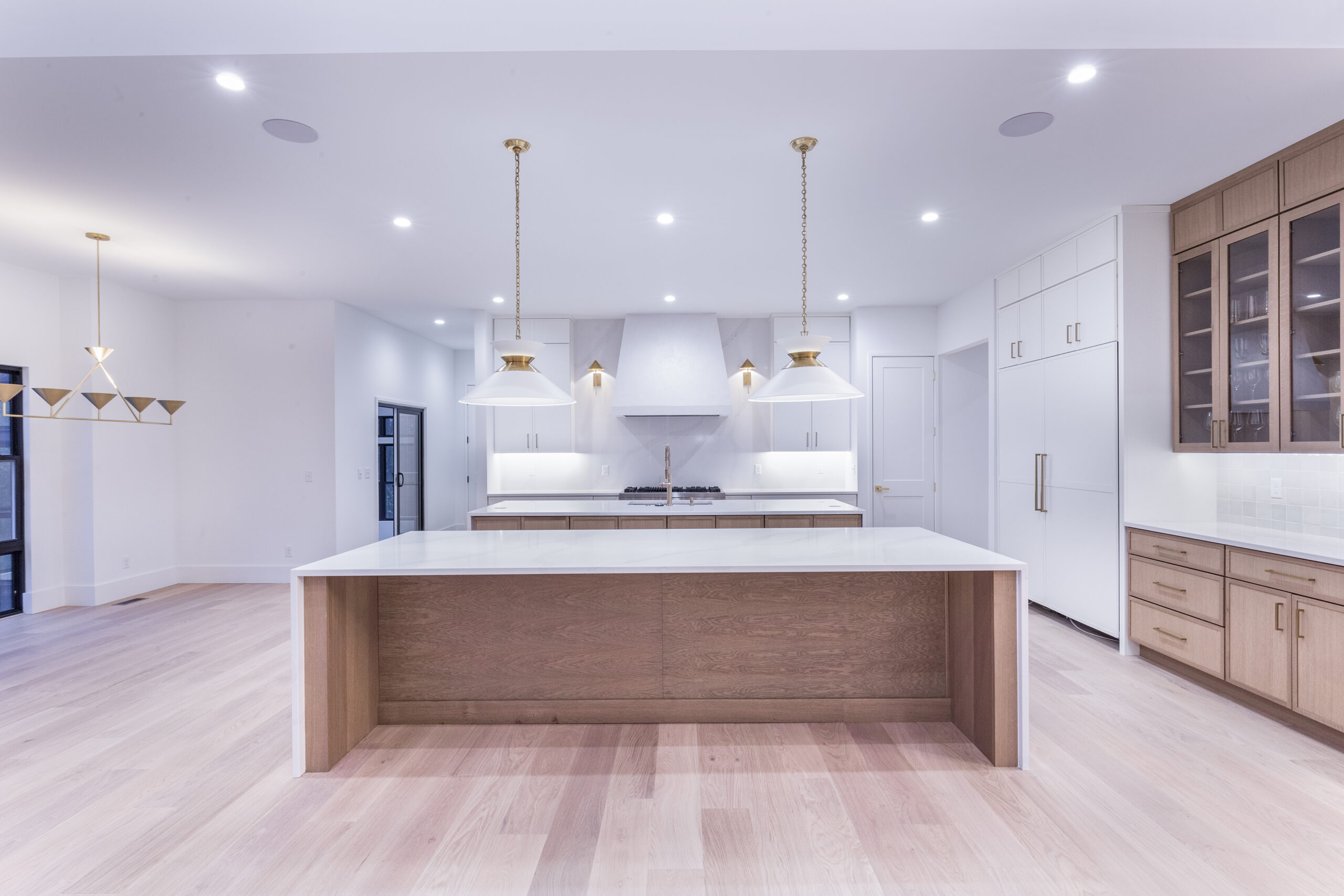
Permit speed varies dramatically across municipalities. Here's what we're seeing in June 2026 for standard custom home and renovation permits.
St. Louis County
Typical turnaround for a complete residential building permit application: 10, 15 business days. Plan reviews move faster in June than March or April because the spring backlog has cleared, but inspections book 3, 5 days out due to high field volume.
Clayton
Clayton's planning department runs lean, and custom home permits requiring ARB review can stretch 4, 6 weeks from submission to approval. ARB meets twice monthly, and missing a meeting cycle adds two weeks. For June starts, submit by mid-May.
Ladue
Ladue's ARB is among the most rigorous in the metro. Expect 6, 8 weeks from initial submission to permit issuance for new custom homes, longer if exterior materials or massing require revisions. According to the International Code Council building code resource, jurisdictions with architectural oversight typically add 20, 40% to standard permit timelines.
Chesterfield, Kirkwood, Webster Groves
These municipalities process permits in 7, 12 business days for straightforward projects. Kirkwood and Webster Groves both require separate trade permits (plumbing, mechanical, electrical) pulled after the building permit is issued, so budget an extra week for full permit packets.
If you're planning to break ground in June, submit permit applications no later than late May. Any delay pushes your foundation pour into July, and your framing into August heat.
How St. Louis Humidity and Summer Storms Affect Timelines
St. Louis summer weather is predictable in its unpredictability. Afternoon thunderstorms roll through with little warning, and humidity creates material challenges that don't exist in drier climates.
Concrete and Humidity
High humidity slows concrete surface drying, which delays finishing work and can extend cure times before framing begins. We typically add one extra day to foundation schedules in June compared to May, and we never pour if heavy rain is forecast within 24 hours.
Storm Delays
June through August, St. Louis averages 9, 11 days per month with measurable rainfall. Afternoon pop-up storms halt roofing, siding, and exterior work for safety. We build 10, 15% weather contingency into summer schedules and communicate expected delay windows upfront so clients aren't surprised.
Material Acclimation
Hardwood flooring, cabinetry, and trim must acclimate to interior conditions before installation. In an un-conditioned space during summer, acclimation is impossible. We stage these materials in climate-controlled storage and deliver only after HVAC is operational, which often means fall installation even for a June groundbreaking.
What We Recommend: The Ideal June Start Strategy
If you're ready to move forward with a custom home or large-scale renovation this summer, here's the sequence that protects quality, timeline, and budget.
Start with Sitework and Foundation in June
Break ground in early June. Complete excavation, utilities, and foundation work by mid-July. This positions framing to begin in late July, with the structure enclosed by early September.
Frame and Enclose Through August
Push framing, roofing, windows, and exterior siding through the heat. Crews tolerate summer conditions far better on exterior work than interior, and an enclosed shell by Labor Day protects everything that follows.
Install HVAC and Transition to Interior in Fall
Once the envelope is sealed, install HVAC and bring the structure to climate control. Begin drywall, insulation, and rough mechanicals in September when humidity drops and temperatures moderate. This protects finish quality and allows materials to acclimate properly.
Schedule Finishes for October Through December
Paint, flooring, cabinetry, and trim all benefit from stable indoor conditions. Fall and early winter offer consistent humidity and temperature, faster cure times, and fewer callbacks for warping or cracking.
Exterior Site Work in Spring
Final grading, driveways, landscaping, and hardscaping wait until the following spring when ground conditions are ideal and plantings have the full growing season ahead.
This phased approach leverages summer's strengths (long days, dry ground, subcontractor availability) while avoiding its weaknesses (humidity, heat stress on finishes, storm delays).
Frequently Asked Questions
Is June too late to start a custom home and finish before winter?
No, but your finish date depends on project size and scope. A 3,000-square-foot custom home started in early June typically reaches substantial completion (move-in ready) by March or April of the following year. You won't finish before winter, but you'll have the envelope enclosed and protected, with interior work progressing through cold months in climate-controlled conditions. Smaller projects like additions or renovations can reach completion by late fall if permitting and material delivery stay on schedule.
What's the biggest risk of starting construction in St. Louis during summer?
The biggest risk is scheduling interior finishes before the home is climate-controlled. High humidity warps hardwood, slows paint cure, and creates conditions for mold in drywall. The second risk: underestimating permit timelines in municipalities with summer staffing slowdowns or ARB review cycles. Both are avoidable with proper sequencing and early permit submission.
Do summer starts cost more due to high demand?
Sometimes. Subcontractor availability tightens in summer, and a few trades (particularly concrete and framing crews) command slight premiums during peak season. Material costs don't typically spike in summer, but lead times lengthen. We lock in pricing during pre-construction so clients know exactly what to expect, regardless of start month. Transparency in budgeting is one reason clients choose a true design-build partner like Design Visualization providers who map costs before breaking ground.
Should I wait until fall to start my renovation?
It depends on scope. Whole-home renovations that require you to move out benefit from summer starts because exterior demolition, structural work, and envelope repairs happen in good weather. Interior-only projects (kitchen remodels, bathroom updates) often run smoother in fall or winter when humidity is controlled and crews aren't juggling multiple outdoor projects. For large-scale renovations, summer starts are often ideal as long as you phase interior finishes into fall.
June offers a strategic window for St. Louis custom home builds and major renovations, but only when you match project type to seasonal strengths. Foundation, framing, and exterior envelope work thrive in summer heat and long days. Interior finishes, exterior painting, and site paving perform better in fall's moderate temperatures and lower humidity. The key is sequencing each phase to leverage ideal conditions rather than fighting the calendar.
With 60+ years of combined experience building across St. Louis County, Chesterfield, Clayton, Ladue, and surrounding communities, we've learned which projects benefit from June starts and which should wait. Every custom home we deliver includes a 1-year FM warranty and 10-year structural warranty, with 2-month and 10-month post-completion check-ins so you're never left wondering if something isn't right.
Schedule a project kickoff consultation with FM Design & Build and we'll walk you through the ideal timeline for your scope, site, and budget. Whether you're ready to break ground this June or planning for a fall start, we'll map every phase so your custom home is built right, on time, and built to last generations. Call 314-619-8043 or visit our page to get started.